A Pitfall Avoidance Guide for Respiratory Care of Persian-Breed Flat-Faced Cats

Jun 13, 2025 By

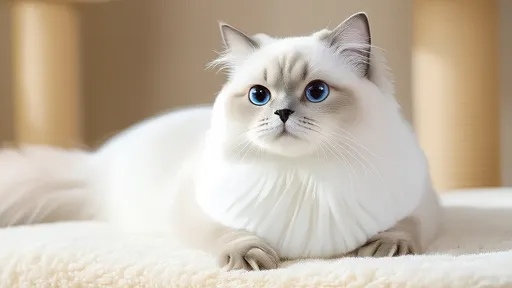
Persian cats, with their distinctive flat faces and luxurious coats, have captured hearts worldwide. These brachycephalic felines require special attention to their respiratory health due to their unique facial structure. Owners of these regal creatures must navigate a complex landscape of care requirements to ensure their pets breathe comfortably throughout their lives.

The shortened skull shape that gives Persian cats their adorable appearance comes with inherent breathing challenges. Their compressed nasal passages and elongated soft palate create what veterinarians call Brachycephalic Airway Syndrome. This anatomical reality means every breath requires more effort than it would for a cat with normal facial proportions. During hot weather or periods of excitement, these cats may struggle to get enough air, sometimes panting like dogs—a behavior uncommon in most feline breeds.

Environmental factors play a crucial role in maintaining respiratory health for flat-faced felines. Dust, strong perfumes, or cigarette smoke can trigger breathing difficulties in Persians. Their sensitive nasal passages react more severely to airborne irritants than those of other cats. Many owners don't realize that conventional clay litter poses particular risks—the fine dust particles can coat the nasal passages, causing inflammation over time. Switching to dust-free alternatives often brings noticeable improvement in breathing patterns.

Humidity levels significantly impact Persian cats' comfort. Dry air can cause their delicate nasal tissues to crack and bleed, while excessive moisture encourages bacterial growth. Maintaining moderate humidity between 40-50% creates the ideal environment. Some owners find placing humidifiers near their cat's favorite resting spots helps prevent respiratory distress, especially during winter months when heating systems dry the air.

Grooming practices directly influence respiratory function in these cats. The long fur characteristic of the breed can become a hazard when loose hairs are inhaled. Regular brushing—ideally daily—reduces shedding and prevents hair from entering nasal passages. Many Persian cat enthusiasts develop the habit of gently wiping their pet's face with a damp cloth after meals to remove food particles that might otherwise be sniffed into sensitive airways.

Seasonal changes bring unique challenges for Persian cat owners. Spring pollen can trigger severe allergic reactions, while summer heat exacerbates breathing difficulties. During these periods, keeping cats in air-conditioned spaces becomes essential. Some veterinarians recommend limiting outdoor access entirely during peak allergy seasons or extreme temperatures. The compromised respiratory system of these cats makes them less able to cope with environmental stressors than their longer-nosed counterparts.

Dietary considerations often surprise new Persian cat owners. These cats benefit from shallow, wide bowls that don't require them to compress their faces while eating. Some develop the habit of holding their breath while eating from deep containers, leading to gulping air and subsequent digestive issues. Elevated feeding stations can help by improving head position during meals, allowing for more natural breathing patterns while consuming food.

Sleeping positions reveal much about a Persian cat's respiratory comfort. Owners should observe whether their cat sleeps with an extended neck or avoids certain positions that might restrict airflow. Providing various bedding options at different elevations allows the cat to choose what feels most comfortable. Some Persians prefer sleeping with their heads slightly elevated, which can be facilitated by specially designed pet pillows or folded blankets placed under their usual sleeping spot.

Vocalizations offer important clues about respiratory health. While all cats purr, Persian cats may develop unusual breathing sounds that warrant attention. Snoring during sleep might seem endearing but can indicate obstructed airways. Wheezing or gurgling sounds during wakefulness often signal the need for veterinary evaluation. Many owners mistakenly attribute these noises to normal breed characteristics when they might actually represent treatable conditions.

Travel preparations require special consideration for Persian cats. The stress of car rides or flights can trigger breathing difficulties, making pre-trip veterinary consultations advisable. Airlines have specific regulations regarding brachycephalic breeds due to their increased risk of respiratory distress during flights. Ground transportation often proves safer, with climate-controlled carriers and frequent breaks for monitoring the cat's breathing patterns.

Multi-cat households present additional challenges when one resident is a Persian. Playful interactions with more active breeds can quickly lead to overexertion and breathing trouble. Owners must monitor interactions and provide quiet retreat spaces where the Persian can rest without disturbance. The social dynamics of feeding time also require attention—flat-faced cats often eat more slowly and may need separate feeding areas to avoid stress-induced rapid eating that compromises breathing.

Age-related changes affect Persian cats' respiratory systems more dramatically than other breeds. As these cats mature, their already compromised airways may show signs of further deterioration. Senior Persians often benefit from more frequent veterinary check-ups to monitor lung function and address emerging issues promptly. Weight management becomes increasingly important with age, as excess pounds place additional strain on the respiratory system.

Breeding practices have come under scrutiny regarding Persian cat respiratory health. Reputable breeders now prioritize moderate facial structure over extreme flattening, recognizing that exaggerated features compromise quality of life. Prospective owners should carefully evaluate breeders based on their commitment to producing healthy, functional animals rather than pursuing extreme physical characteristics that amplify breathing problems.

Emergency preparedness takes on special significance for Persian cat owners. Recognizing signs of respiratory distress—such as blue-tinged gums, open-mouth breathing, or extreme lethargy—can mean the difference between life and death. Having an emergency plan that includes after-hours veterinary contacts and knowledge of pet CPR techniques provides critical protection for these vulnerable felines.

The emotional bond between Persian cats and their owners often motivates extraordinary care efforts. Watching a beloved pet struggle for breath creates profound anxiety for caretakers. This emotional component underscores the importance of preventive care and early intervention. Many owners find peace of mind in establishing relationships with veterinarians who specialize in brachycephalic breeds and understand the unique challenges they present.

Technological advances offer new hope for Persian cat respiratory care. From specialized oxygen chambers for emergency treatment to innovative surgical techniques that improve airflow, veterinary medicine continues developing solutions for brachycephalic breeds. Genetic research may eventually help breeders make informed decisions that preserve the Persian's distinctive look while minimizing health consequences.

Ultimately, sharing knowledge within the Persian cat community benefits all these exquisite animals. Veteran owners mentoring newcomers, breeders prioritizing health over extremes, and veterinarians continuing their education in brachycephalic care—all contribute to improving quality of life for these breathing-challenged felines. The collective wisdom gained through decades of Persian cat stewardship now informs better practices than ever before.
Recommend Posts
Pet

The Enigma of Poodle's Circle Defecation: Ritualistic Behavior and Its Connection to Territorial Marking

By /Jun 13, 2025

The curious case of poodles spinning before defecation has long puzzled dog owners and animal behaviorists alike. This peculiar ritual, often dismissed as mere canine quirkiness, may hold deeper evolutionary significance than previously thought. Recent research suggests this spinning behavior could represent a fascinating intersection between ritualized movement and territorial marking in domestic dogs.
Pet

Akita's Snow Burial of Food: The Freezing Preservation Instinct in a -10°C Environment

By /Jun 13, 2025

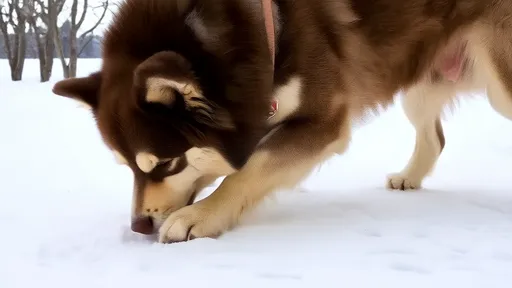
In the snow-covered landscapes of northern Japan, the Akita dog exhibits a fascinating survival behavior that has intrigued both scientists and dog enthusiasts alike. During the harsh winter months, when temperatures plummet to -10°C and below, these majestic creatures demonstrate an uncanny ability to preserve their food by burying it in the snow. This instinctual practice, honed over centuries of adaptation, reveals a sophisticated understanding of natural refrigeration.
Pet

Thai Ridgeback: The Reversed Hair Growth Hides Early Warnings of Neural Defects

By /Jun 13, 2025

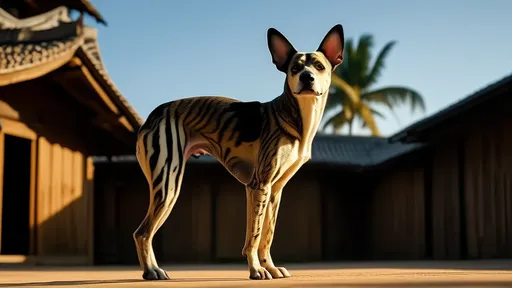
The Thai Ridgeback, an ancient breed revered for its distinctive ridge of hair growing in the opposite direction along its spine, has recently become the subject of groundbreaking veterinary research. Scientists have discovered that this unique reverse hair growth pattern may serve as an early warning sign for underlying neurological abnormalities in canines.
Pet

Giant Poodles: The Delicate Care Behind Hypoallergenic and Exercise Space Requirements

By /Jun 13, 2025

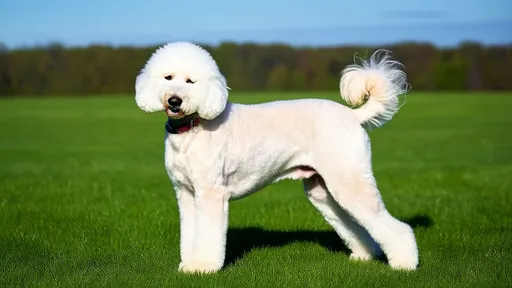
The allure of the Standard Poodle, often referred to as the "giant" among its toy and miniature counterparts, extends far beyond its regal appearance and intelligent demeanor. For many prospective dog owners, particularly those with allergies, the breed's reputation as a hypoallergenic companion becomes a deciding factor. However, the reality of living harmoniously with these elegant canines involves a nuanced understanding of their grooming rituals, exercise needs, and the delicate balance required to maintain their low-shedding coats.
Pet

Smiling Angel" Samoyed Care Guide: Hair Care and Exercise Needs Behind the High-Value Appearance

By /Jun 13, 2025

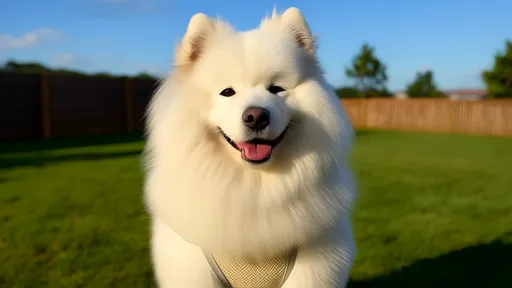
The Samoyed, often referred to as the "smiling angel" of the dog world, is a breed that effortlessly captures hearts with its fluffy white coat and perpetually cheerful expression. But behind that high-maintenance glamour lies a set of grooming and exercise requirements that every potential owner should understand. These dogs aren’t just pretty faces—they’re working dogs with a history of pulling sleds in Siberia, and their needs reflect that energetic heritage.
Pet

Silent Hunting: The Genetic Expression of the Silent Guard Dog Before Attack"

By /Jun 13, 2025

The Dogo Argentino, a powerful and athletic breed originally developed for big-game hunting, possesses a unique behavioral trait that sets it apart from other guardian dogs: its silent hunting technique. Unlike many protective breeds that vocalize threats through growls or barks before attacking, the Dogo Argentino often strikes without warning. This phenomenon, sometimes referred to as "silent hunting," has fascinated canine researchers and breed enthusiasts alike, prompting investigations into the genetic and evolutionary roots of this behavior.
Pet

Measurement of Tolerance Threshold in English Bulldogs: Remaining Still When Ears Are Pulled

By /Jun 13, 2025

The British Bulldog has long been a symbol of resilience and stoicism, traits that extend beyond their muscular physique and into their temperament. Among the many questions that dog owners and researchers alike have pondered, one stands out particularly when it comes to family pets: just how tolerant are these dogs of children’s antics? More specifically, what is their threshold for enduring the kind of ear-pulling that toddlers seem so fond of? This investigation delves into the patience of the British Bulldog, measuring their tolerance levels in scenarios that mimic the unpredictable behavior of young children.
Pet

Boston Terrier's Fart Socializing": The Awkward Greeting Ritual Caused by Sensitive Stomachs

By /Jun 13, 2025

The Boston Terrier, with its tuxedo-like markings and perpetually concerned expression, has long been a beloved companion. But behind those soulful eyes lies a digestive system that could rival a malfunctioning whoopee cushion. These compact canines have turned their gastrointestinal sensitivities into an unexpected form of communication – what owners affectionately call "fart socialization."
Pet

Jack Russell Terrier's Canine Social障碍: Fighting Warnings Triggered by Hunting Impulses

By /Jun 13, 2025

The Jack Russell Terrier, with its boundless energy and sharp intelligence, has long been a favorite among dog enthusiasts. Yet, beneath their charming exterior lies a complex interplay of instincts that can sometimes lead to social friction. These small but mighty dogs were originally bred for hunting, and their strong prey drive remains deeply ingrained. While this trait makes them excellent at their historical job, it can also create challenges in modern social settings, particularly when interacting with other dogs.
Pet

Bulldog Snoring: A Guide to Recognizing Sleep Apnea in Brachycephalic Dogs

By /Jun 13, 2025

The rhythmic snoring of a pug may seem endearing at first glance—a charming quirk that adds to their comical personality. But beneath those adorable snuffles lies a potential health crisis that many owners overlook. Short-nosed breeds like pugs, bulldogs, and French bulldogs face life-threatening breathing challenges due to their unique anatomy. What sounds like harmless snoring could actually signal episodes of oxygen deprivation, chronic sleep disruption, or even sudden collapse.
Pet

The Spring Technique" of a Cat's Spine: Elastic Collaboration of Intervertebral Discs and Muscles

By /Jun 13, 2025

The feline spine has long fascinated biologists and engineers alike, its remarkable flexibility and resilience serving as a blueprint for both evolutionary adaptation and biomechanical innovation. At the heart of this marvel lies an intricate collaboration between intervertebral discs and paravertebral muscles—a dynamic system that allows cats to perform acrobatic feats with seemingly effortless grace. This interplay of elastic components functions like a biological "spring mechanism," enabling felines to absorb impacts, change direction mid-air, and land on their feet with uncanny precision.
Pet

A Pitfall Avoidance Guide for Respiratory Care of Persian-Breed Flat-Faced Cats

By /Jun 13, 2025

Persian cats, with their distinctive flat faces and luxurious coats, have captured hearts worldwide. These brachycephalic felines require special attention to their respiratory health due to their unique facial structure. Owners of these regal creatures must navigate a complex landscape of care requirements to ensure their pets breathe comfortably throughout their lives.
Pet

Shake Water Efficiency of Portuguese Water Dogs: Test of Splash Volume per Square Meter for Curly Coat Structure

By /Jun 13, 2025

The Portuguese Water Dog, a breed renowned for its exceptional swimming abilities, has long fascinated scientists and dog enthusiasts alike. Among its many remarkable traits, the curly coat structure stands out as a marvel of natural engineering. Recent studies have delved into the hydrodynamic properties of this unique fur, particularly focusing on how efficiently it sheds water after immersion. The findings reveal surprising insights into how these dogs minimize water retention and maximize mobility both in and out of the water.
Pet

Chihuahuas' Sun Tracking: Seeking the Thermoregulatory Vestiges of Ectothermic Animals in Light-Exposed Areas

By /Jun 13, 2025

The Chihuahua, often regarded as the smallest dog breed in the world, has long fascinated scientists and pet enthusiasts alike. Beyond its diminutive size and spirited personality, this breed exhibits behaviors that hint at deeper biological adaptations. One such behavior is its apparent sun-seeking tendency—a trait that may echo ancient thermoregulatory strategies inherited from its wild ancestors. Could the modern Chihuahua’s love for basking in sunlight be a vestige of an evolutionary past where body temperature regulation was a matter of survival?
Pet

Shedding Frequency of the Old English Sheepdog: Long Hair Swings to Remove Foreign Objects - A Natural Cleaning System

By /Jun 13, 2025

The Old English Sheepdog, with its iconic shaggy coat and amiable demeanor, has long been a favorite among dog enthusiasts. Beyond its charming appearance, this breed possesses a fascinating natural cleaning mechanism that has evolved over centuries. The rhythmic head-shaking behavior of these dogs serves as an ingenious system for removing debris and maintaining coat health, a feature that speaks volumes about nature's ingenuity.
Pet

The Ritual of Dalmatian Toilet: Tracing the Compulsive Gene Behind Circling Three Times Before Defecation

By /Jun 13, 2025

The peculiar pre-defecation ritual of Dalmatians has long fascinated dog owners and scientists alike. These distinctive spotted canines often engage in an elaborate circling routine before relieving themselves, sometimes requiring exactly three revolutions around an imaginary axis before settling into position. This behavior goes beyond simple instinct - it appears almost ceremonial in its precision, leading researchers to investigate whether genetics play a role in this canine "toilet etiquette."
Pet

Solving the Eye-Covering Anxiety" in Bichon Frises: Addressing the Circling Behavior Caused by Long Hair Obstructing Vision

By /Jun 13, 2025

The Bichon Frise, with its fluffy white coat and cheerful disposition, is a beloved companion in households worldwide. Yet beneath those cloud-like curls lies a peculiar behavioral quirk that has puzzled owners and veterinarians alike: the "hair-over-eye anxiety" phenomenon. When the breed's signature fringe grows long enough to obscure vision, these otherwise playful dogs often exhibit compulsive circling behaviors that speak to a deeper sensory distress.
Pet

Corgi Slope Walking Experiment: Short-legged Dogs Use 40% More Energy Than Regular Dogs on Slopes

By /Jun 13, 2025

In a groundbreaking study that has captured the attention of dog lovers and scientists alike, researchers have uncovered surprising findings about the energetic costs of movement for short-legged breeds like Corgis. The study, which focused on the biomechanics of canine locomotion, revealed that these adorable stubby-legged pups expend a staggering 40% more energy than their longer-limbed counterparts when navigating slopes.
Pet

Peace Convention for Multi-Dog Households: Preventive Mechanism for Resource Competition between Labradors and Huskies"

By /Jun 13, 2025

In multi-dog households, maintaining harmony between breeds with different energy levels and temperaments requires careful planning. The Labrador Retriever and Siberian Husky combination presents unique challenges due to their contrasting personalities and resource-guarding tendencies. These two popular breeds often find themselves competing for attention, food, toys, and sleeping spaces unless owners establish clear protocols from the beginning.
Pet

Alternative Solutions for Urban Dog Breeding Restrictions: Guide to Redirecting Doberman's Biting Tendencies with Toys

By /Jun 13, 2025

The sight of a Doberman Pinscher clamping its powerful jaws around a chew toy isn’t just play—it’s instinct. These sleek, muscular dogs were bred for protection and police work, traits that come with an innate need to bite and grip. In urban environments where breed-specific legislation often restricts or bans ownership of such dogs, responsible pet parents face a unique challenge: how to redirect that natural drive into acceptable outlets. The solution lies not in suppressing the instinct but in transforming it through strategic toy selection.