In a groundbreaking development that could revolutionize the diagnosis and treatment of Alzheimer's disease, scientists have made significant strides in predicting the condition up to 15 years before symptoms appear. This breakthrough hinges on a simple blood test, offering hope for early intervention and potentially slowing the progression of this debilitating neurodegenerative disorder. The implications are profound, not only for patients and their families but also for healthcare systems grappling with the escalating costs of dementia care.
The Science Behind the Blood Test
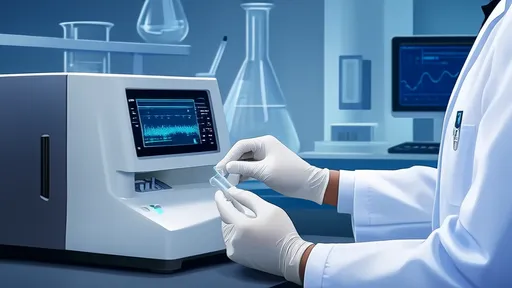
Researchers have identified specific biomarkers in the blood that correlate with the accumulation of amyloid-beta and tau proteins in the brain—hallmarks of Alzheimer's disease. These proteins begin to build up years, even decades, before memory loss and cognitive decline become apparent. By detecting these biomarkers early, the blood test can provide a window of opportunity for interventions that might delay or even prevent the onset of symptoms. Unlike current diagnostic methods, such as PET scans or lumbar punctures, the blood test is non-invasive, cost-effective, and scalable, making it accessible to a broader population.
The study, published in a leading medical journal, involved thousands of participants across multiple countries. The results showed that the blood test could predict Alzheimer's with remarkable accuracy, outperforming traditional diagnostic tools. This has sparked optimism among researchers, who believe that early detection could pave the way for more effective treatments. However, questions remain about how to translate this scientific advancement into real-world clinical practice.
The Road to a Cure: Challenges and Opportunities
While the blood test represents a monumental leap forward, it also raises ethical and practical dilemmas. For instance, how should individuals be informed of their risk, especially when there is currently no cure for Alzheimer's? Early diagnosis could lead to anxiety and stigma, particularly if effective treatments are not yet available. On the other hand, knowing one's risk could motivate lifestyle changes, such as improved diet and exercise, which have been shown to mitigate some of the risk factors associated with dementia.
Pharmaceutical companies are racing to develop drugs that target the underlying mechanisms of Alzheimer's, but progress has been slow and fraught with setbacks. Many experimental treatments have failed in clinical trials, highlighting the complexity of the disease. However, the ability to identify at-risk individuals earlier could improve the chances of success for future therapies. By enrolling participants in trials before significant brain damage occurs, researchers may finally find a treatment that alters the course of the disease.
The Bigger Picture: A Global Health Priority
Alzheimer's disease is one of the most pressing public health challenges of our time, with an estimated 50 million people affected worldwide. As populations age, this number is expected to triple by 2050, placing an immense burden on families and healthcare systems. The economic cost of dementia is staggering, exceeding $1 trillion annually, yet funding for research lags behind other major diseases. The development of a reliable blood test could shift the paradigm, enabling earlier and more widespread screening, which in turn could reduce the long-term costs of care.
Governments and health organizations must now consider how to integrate this new technology into existing healthcare frameworks. Policies will need to address issues of affordability, accessibility, and equity to ensure that the benefits of early detection are available to all, not just those in wealthy nations. Public education campaigns will also be crucial to help people understand the implications of early diagnosis and the steps they can take to protect their brain health.
Hope on the Horizon
For decades, Alzheimer's has been a disease shrouded in uncertainty and despair, with families often powerless as they watch their loved ones slip away. The advent of a blood test that can predict the disease years in advance offers a glimmer of hope. While a cure may still be years away, the ability to detect Alzheimer's early opens up new possibilities for prevention and treatment. It also underscores the importance of continued investment in research and innovation.
As scientists unravel the mysteries of this complex disease, one thing is clear: we are closer than ever to turning the tide against Alzheimer's. The journey ahead will require collaboration, perseverance, and a commitment to transforming scientific discoveries into tangible benefits for millions of people around the world. The blood test is not just a diagnostic tool—it is a beacon of hope, illuminating the path toward a future where Alzheimer's is no longer a sentence to oblivion.
By /Jun 11, 2025

By /Jun 11, 2025

By /Jun 11, 2025

By /Jun 11, 2025

By /Jun 11, 2025

By /Jun 11, 2025

By /Jun 11, 2025

By /Jun 11, 2025
By /Jun 11, 2025
By /Jun 11, 2025

By /Jun 11, 2025

By /Jun 11, 2025

By /Jun 11, 2025

By /Jun 11, 2025

By /Jun 11, 2025

By /Jun 11, 2025

By /Jun 11, 2025

By /Jun 11, 2025

By /Jun 11, 2025

By /Jun 11, 2025