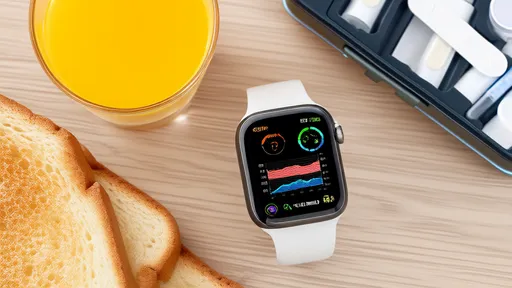
In a groundbreaking development that could redefine personal health management, Apple has reportedly secured FDA approval for a revolutionary new feature in its Apple Watch: non-invasive blood glucose monitoring. This long-awaited advancement promises to transform how millions of people track their metabolic health, particularly those managing diabetes. While Apple has remained characteristically tight-lipped about specific release timelines, industry insiders suggest this technology may debut within the next two generations of Apple Watch.
The Science Behind the Breakthrough
Traditional glucose monitoring requires blood samples, either through finger pricks or subcutaneous sensors. Apple's approach leverages advanced optical sensors that use a combination of near-infrared spectroscopy and machine learning algorithms to detect glucose levels through the skin. This technology has been in development for over a decade under Apple's secretive Exploratory Design Group (XDG), with the company acquiring several startups specializing in photonics and biosensing along the way.
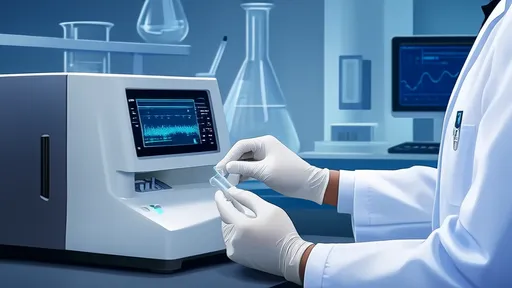
Early clinical trials demonstrated surprising accuracy, with the system achieving results within 15% of laboratory blood tests - meeting FDA standards for consumer health devices. The watch's sensor array measures how light interacts with interstitial fluid, detecting the unique molecular signature of glucose without breaking the skin. Continuous monitoring provides trends and patterns rather than single data points, offering users unprecedented insight into how their bodies process sugars throughout the day.
Implications for Diabetes Management
For the estimated 37 million Americans with diabetes and 96 million with prediabetes, this development could be life-changing. Endocrinologists note that pain-free, continuous monitoring removes significant barriers to frequent testing. "Compliance is our biggest challenge in diabetes care," explains Dr. Sarah Chen of the Diabetes Technology Society. "When testing doesn't hurt and happens automatically, people make better decisions about diet, medication, and activity."
The watch's integration with Apple Health creates a comprehensive ecosystem. Users can correlate glucose fluctuations with exercise, sleep, and nutrition data while sharing results securely with healthcare providers. The system includes customizable alerts for dangerous highs or lows, potentially preventing emergencies. Some analysts predict this could reduce hospitalizations for severe hypoglycemia by up to 40% among regular users.
Beyond Diabetes: The Wellness Revolution
Apple's marketing suggests applications far beyond medical monitoring. The company envisions healthy users optimizing nutrition and fitness routines based on metabolic feedback. Imagine finishing a meal and receiving a notification that your blood sugar spiked unusually high, suggesting better portion control next time. Athletes could precisely time carbohydrate intake around workouts for maximum performance.
This positions Apple uniquely in the competitive wearables market. While companies like Dexcom and Abbott dominate medical glucose monitoring, no consumer device offers this functionality without invasive components. If Apple can maintain its trademark user-friendly design while delivering clinical-grade data, it may create an entirely new category of health tech.
Challenges and Limitations
Experts caution that non-invasive monitoring isn't perfect. Factors like skin pigmentation, tattoos, and even ambient temperature may affect readings. The FDA approval reportedly includes requirements for clear user education about when to confirm results with traditional tests. Apple will likely position this as a wellness tool first, avoiding immediate classification as a medical device to streamline consumer adoption.
Privacy concerns also loom large. Glucose data represents extraordinarily personal information - revealing not just medical conditions but lifestyle choices, eating habits, and even emotional states (stress affects blood sugar). Apple's commitment to on-device processing and encrypted cloud storage will be scrutinized as never before.
The Road Ahead
As the technology evolves, possibilities expand. Researchers speculate about future integrations with insulin pumps for closed-loop systems, or combining glucose data with ketone measurements for comprehensive metabolic profiling. Some envision Apple partnering with nutrition apps to suggest personalized meal plans based on real-time glucose responses.
For now, the industry watches and waits. If successful, Apple's move could trigger a wave of innovation in non-invasive biosensing, with competitors racing to develop their own solutions. One thing seems certain: the era of painless, continuous health monitoring is dawning, and it may start on your wrist.
By /Jun 11, 2025
By /Jun 11, 2025

By /Jun 11, 2025

By /Jun 11, 2025

By /Jun 11, 2025

By /Jun 11, 2025

By /Jun 11, 2025

By /Jun 11, 2025
By /Jun 11, 2025
By /Jun 11, 2025

By /Jun 11, 2025

By /Jun 11, 2025

By /Jun 11, 2025

By /Jun 11, 2025

By /Jun 11, 2025

By /Jun 11, 2025

By /Jun 11, 2025

By /Jun 11, 2025

By /Jun 11, 2025

By /Jun 11, 2025